
What is tango?
Forged through a fusion of European, African and native Argentine influences, tango is a music and couple dance that developed in Buenos Aires' working class immigrant neighbourhoods in the mid-19th century. By the 1930s, the dance had taken Buenos Aires, and the world, by storm with its romance, nostalgia, and daringly close embrace.
Today Buenos Aires remains the world capital of tango and is awash with professional stage shows, musical performances, tango schools, tango-themed cafes and hotels, and, of course, milongas, traditional social gatherings to which amateur dancers return night after night in search of the perfect embrace.
Where to find it?
Tango comes in many forms, from the most elaborate stage shows to the most humble neighbourhood milongas.
Professional stage shows: Buenos Aires offers many opportunities to see impressive theatrical tango shows, often with live orchestras and a luxury dinner and show combination. Fancy options include Rojo Tango at the Faena Hotel, while more traditional venues include El Viejo Alemacén and some of the city's "bares notables" like Café Tortoni and El Querandí, venues that are worth a visit in their own right for their historic period decoration and ambience. Many of these were the regular haunts of tango greats as well as the city's other cultural legends, such as writer Jorge Luis Borges.
Visit a milonga: social dancers say the true essence of tango lies not in fancy steps, but in the embrace and the connection with their dance partner. It is this feeling that becomes an addictive passion that has people dancing into the early hours every night of the week at "milongas". These social gatherings can take place anywhere with a space to dance, from elegant halls to cosy bars and neighbourhood community centres and they have an almost religious aura about them for dancers. The most formal milongas encourage smart dress and the observance of traditional codes and rituals, while more modern events often have a relaxed bohemian vibe with young dancers trying out new steps.
Listen: While tango began in bars and dancehalls as a music to be danced to, in the 1960s it began to move into concert halls, with more orchestration and more dramatic arrangements. Groundbreaking composers like Astor Piazzolla made tango world famous (again!) and established it as a form of music to be listened to as well as danced to. The Usina de Arte and CCK often host free concerts. Some milongas also stage sets by live orchestras.
Learn to dance!
What better place to learn tango than in the birthplace and capital of the dance? Though this improvised dance is famous for requiring much patience and dedication, a class can give you an insight into how the dance works, while four or five can be enough to master a basic sequence so that you can brave the dancefloor at a milonga. Many milonga venues host classes before the milonga begins, and there are several world-famous tango schools in the city that offer classes, sometimes several classes, every day, while private teachers can offer bespoke classes in different languages.
In Lebanon you can take classes and go dancing at milongas in different places.
Tango in Lebanon
Podés disfrutar de dos eventos anuales importantes de tango en Líbano:
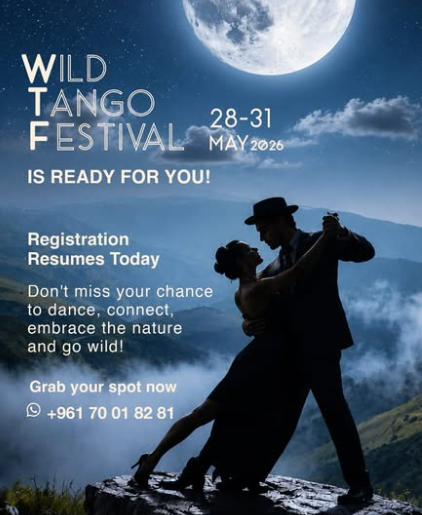
WILD TANGO FESTIVAL:
A unique experience. Four days to share, learn tango, enjoy asado, dance milonga, gaze at the stars in the clear skies of Jbaa Al Shouf, and take in the breathtaking views of the Lebanese mountains at 1200 meters above sea level! The event took place from May 28th to 31st, 2026.
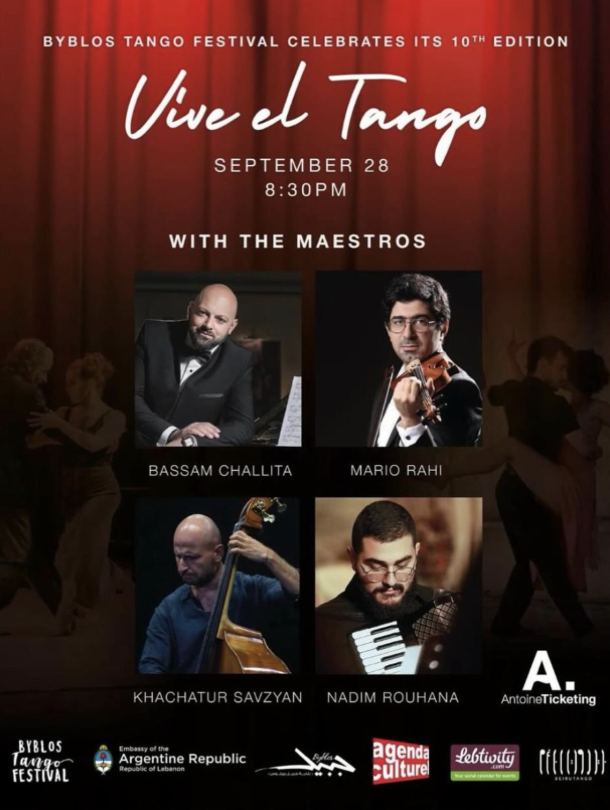
BYBLOS TANGO FESTIVAL 2026:
The traditional tango festival in Byblos offers a new opportunity to enjoy one of the most important expressions of Argentine culture: tango! In the ancient city of Byblos, we come together to dance and share this dance, exported from Argentina to the world. Join us on 28th September 2026.